Index
- Executive Summary
- Client Background & The Retail Challenge
- The Brief: Defining Museum-Grade Custom Tote Bags
- The Solution: Premium Sourcing & Technical Manufacture
- Quality Engineering: Retail-Ready Finishing & Branding
- Results & Commercial Outcomes
- Conclusion: Partner with Bag Workshop
- Sustainable Textile Procurement
Executive Summary
In the modern heritage and cultural retail sector, commercial directors face a complex challenge. They must generate significant retail revenue while stringently upholding the strict environmental and ethical procurement mandates of their parent institutions. Consequently, when Tate Galleries—a world-recognised network of art institutions—sought to refresh their core commercial accessories, they required a premium manufacturing partner to deliver an iconic piece of art gallery gift shop merchandise. The product had to serve as a highly durable, beautifully finished souvenir while complying with the highest international sustainability standards.
This case study explores how Bag Workshop engineered, manufactured, and delivered a high-volume, retail-ready custom canvas tote bag. The project demanded flawless execution of Fairtrade-certified custom textile sourcing, precise double-sided screen printing, and bespoke finishing touches like custom-woven side-seam labels. By managing the entire end-to-end manufacturing process in-house, Bag Workshop successfully combined ethical compliance with retail luxury, providing Tate with a top-selling commercial asset that enhances their brand value both inside and outside the gallery walls.
Client Background & The Retail Challenge
Navigating Premium Sustainable Museum Merchandise
Tate Galleries represents one of the most prestigious cultural brands in the world, welcoming millions of international visitors annually across its four major hubs: Tate Modern, Tate Britain, Tate Liverpool, and Tate St Ives. For institutions of this stature, the gift shop is not merely an afterthought; it is a critical commercial engine that directly funds future exhibitions, art acquisitions, and community education programs.
The Operational Obstacle
Because the Tate brand is globally synonymous with creative excellence and environmental stewardship, their procurement criteria are incredibly strict. Brand managers and retail buyers within the museum sector know that low-cost promotional bags are entirely unacceptable. They can be poor quality and, use unverified supply chains, and quickly degrade, which directly harms the institution’s reputation.
Tate needed an eco-friendly retail-ready canvas bag that could handle heavy daily use—such as carrying thick exhibition catalogues and art books—while remaining a stylish accessory for visitors to use repeatedly. The strategic challenge was clear: source, manufacture, and supply a highly durable canvas tote that met strict Fairtrade and organic environmental metrics without compromising on fine-art design layout, fabric thickness, or retail finish and be a repeatable, ongoing consistent supply.
The Brief: Defining Museum-Grade Custom Tote Bags
The retail procurement team at Tate Galleries presented Bag Workshop with a precise and demanding product brief. The objective was to manufacture a premium, sustainable, best-selling textile asset to serve as the benchmark for their bespoke gallery retail merchandise collection.
Precise Material and Component Requirements:
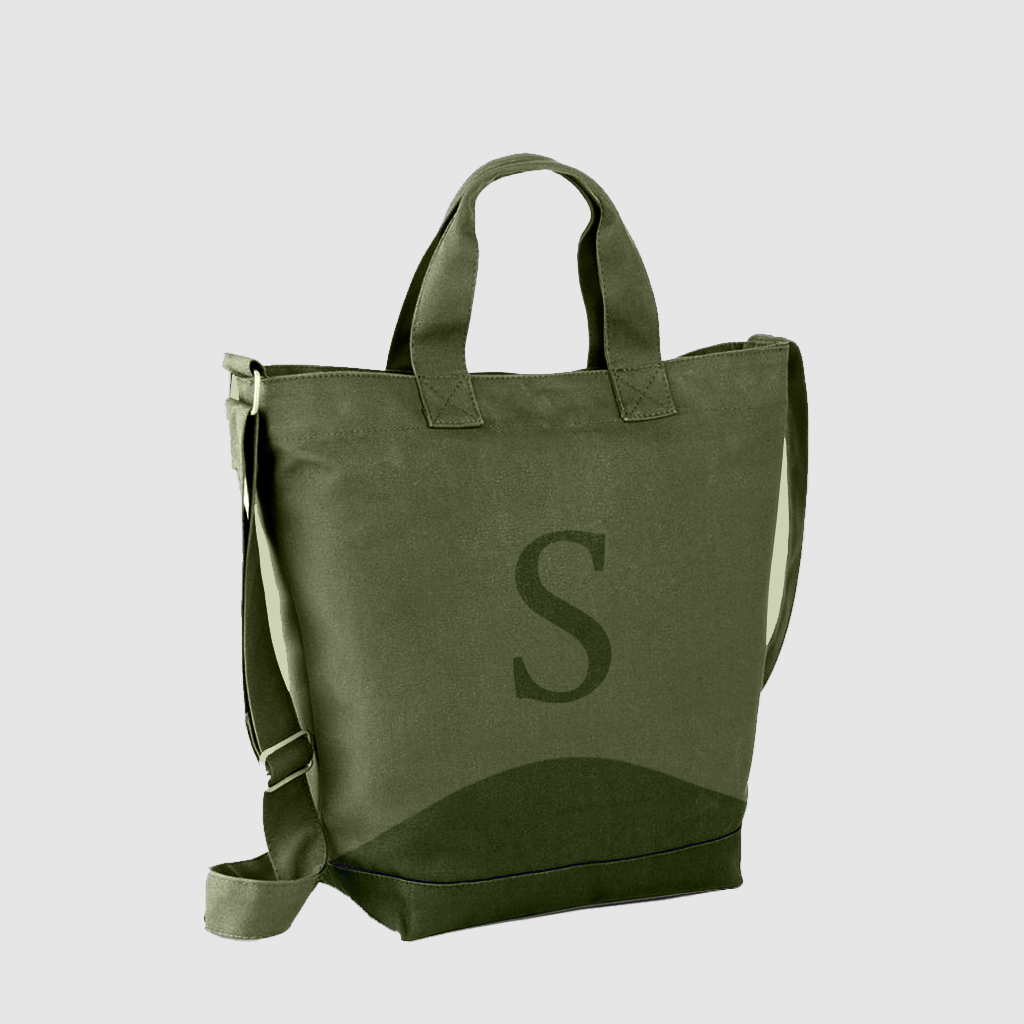
- The Blueprint: A reusable, heavy-duty shoulder tote bag designed specifically for high-turnover premium cultural institution tote bag production.
- The Material Sourcing: 100% Fairtrade-certified custom textile sourcing combined with GOTS-certified organic cotton to guarantee a completely transparent and ethical supply chain.
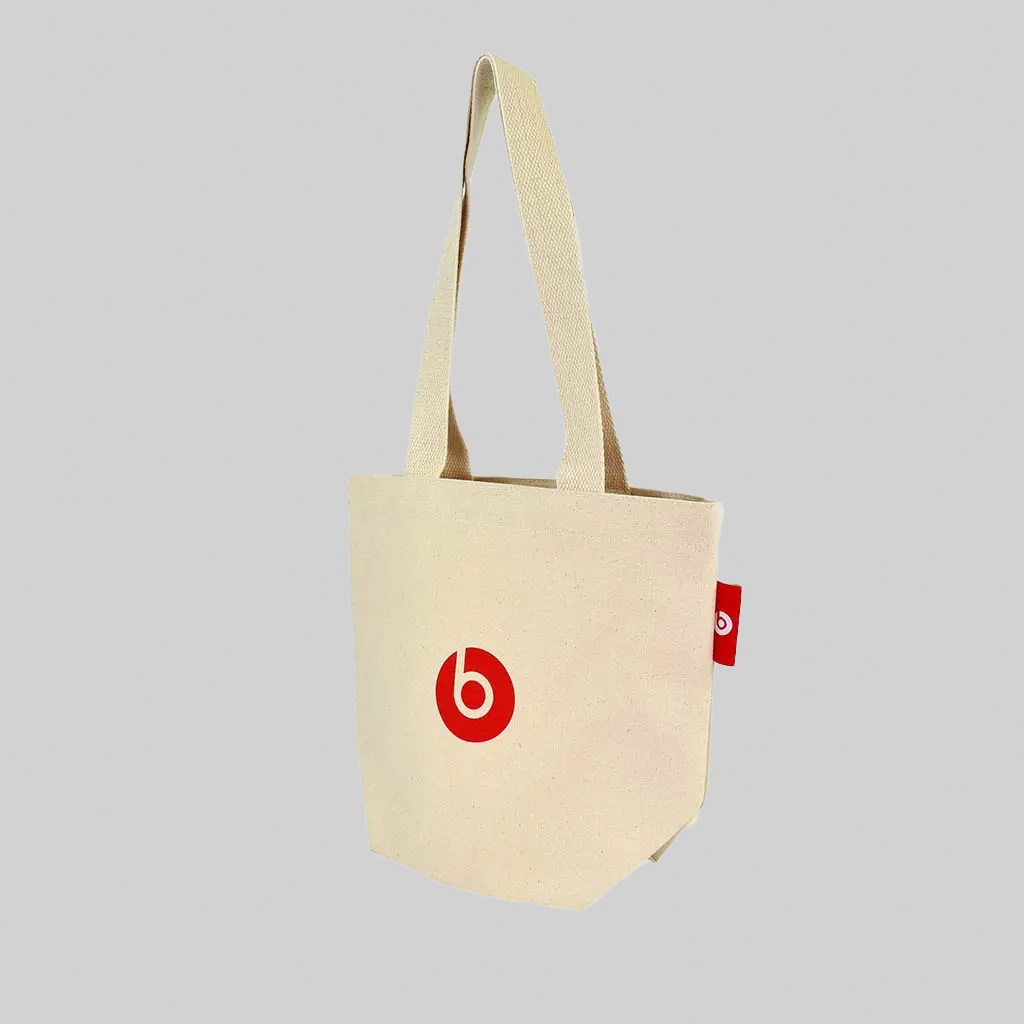
- The Structural Build: Shoulder-carry handles constructed from the exact same canvas fabric as the main bag panels, featuring reinforced cross-stitching at the stress points to prevent tearing.
- The Custom Branding: High-definition screen printing across both sides of the bag using eco-friendly, water-based inks capable of crisply replicating artistic branding.
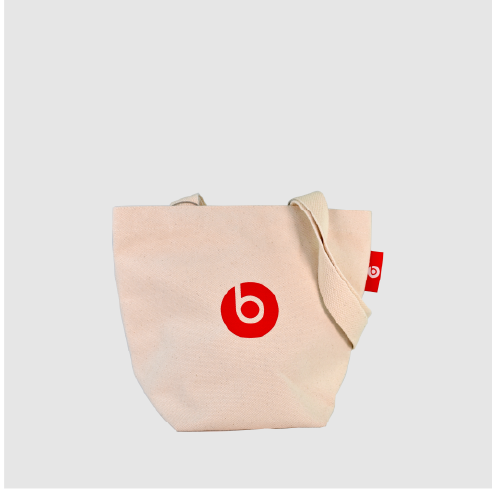
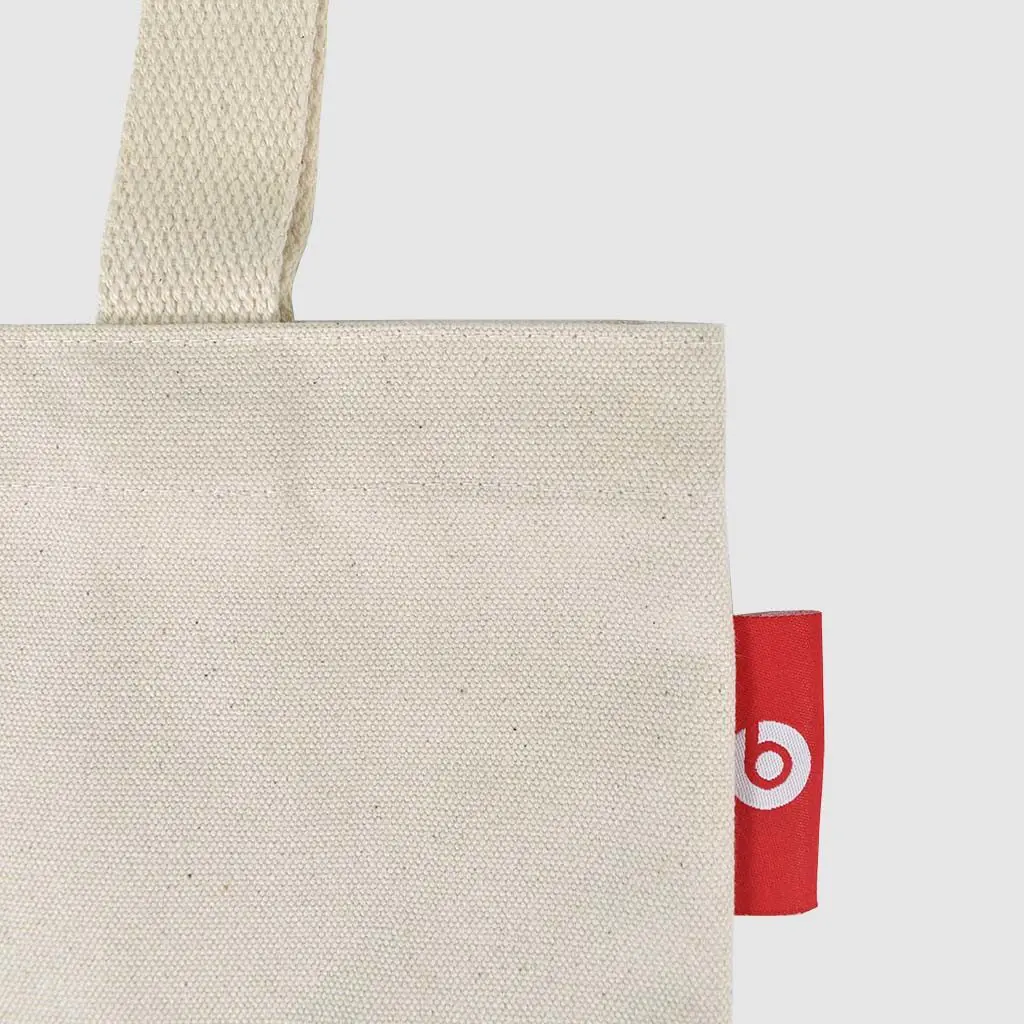
- The Finishing Touch: A custom-woven brand label stitched directly into the exterior side seam, giving the bag an immediate high-end retail identity.
The Solution: Premium Sourcing & Technical Manufacture
Advanced Sourcing by Bag Workshop
To satisfy Tate’s strict environmental benchmarks, Bag Workshop bypassed standard commercial trade channels in favour of a thoroughly audited, certified organic textile network. We selected an extra-thick, heavy-weight cotton canvas that offers a substantial, premium weight in the hand.
By employing GOTS certified organic cotton totes, we ensured that every stage of production—from the farming of the raw cotton to the weaving of the canvas sheets—was completed without toxic synthetic pesticides or chemical fertilisers.
Fairtrade Sourcing Compliance
Simultaneously, our dedication to Fairtrade-certified custom textile sourcing guaranteed that the cotton farmers and mill workers received fair wages, safe working conditions, and an additional financial premium to invest in community development projects. For a heritage institution like Tate, this thorough supply chain transparency provides absolute legal and public relations security, allowing their marketing directors to confidently promote the bags as a showcase of sustainable design.
Quality Engineering: Retail-Ready Finishing & Branding
Precision Printing and Pattern Integration
Translating the unmistakable Tate logo onto the cotton requires precise, premium quality screen printing. Standard commercial screen prints often leave a thick, rubbery plastic layer on the fabric that easily cracks and peels after a few uses. Bag Workshop’s manufacturing team address this by using premium, water-based inks that sink deep into the organic cotton fibres.
This process yields an incredibly crisp print with exceptional colour accuracy, while maintaining a soft, flexible feel across the entire face of the bag. The design was systematically printed onto flat panels before final assembly.
Structural Assembly and Finishing
During the final construction process, our production team integrated the custom-woven label directly into the vertical side seam. This technique conceals the raw edges of the tag inside the structural seam allowance, creating a clean finish.
The shoulder straps were manufactured using doubled-over canvas from the same production batch, matching the colour and texture of the main bag perfectly. These handles were then anchored to the top hem using a classic, reinforced box-X stitch pattern. This ensures that even when a visitor fills the bag with heavy books, the handles distribute the load evenly across the fabric panels, eliminating the risk of structural failure.
Results & Commercial Outcomes
Driving High-Margin Revenue for Tate
The Fairtrade custom canvas tote bags are a best-seller across all Tate Gallery gift shops, quickly setting the gold standard for art gallery gift shop merchandise. The clean design and fabric thickness transformed a simple souvenir into a highly desirable, functional accessory.
- Top-Tier Commercial Performance: The exceptional retail-ready quality enabled the galleries to maintain strong retail margins, generating significant funding for Tate’s ongoing public programs.
- Flawless Product Durability: Thanks to the pre-shrunk organic canvas and reinforced box-X cross-stitching, zero structural failures or handle detachments were reported across the high-volume production run.
- Strengthened Brand Reputation: By selecting GOTS and Fairtrade certified materials, Tate successfully reinforced its position as a progressive leader in sustainable heritage retail, with thousands of visitors acting as walking brand ambassadors across global cities.
Conclusion: Partner with Bag Workshop
At Bag Workshop, we regularly look past the limits of standard promotional merchandise manufacturing. We are The Wurlin Group—specialists in bespoke bags, high-end umbrellas, structural packaging, and fully customised corporate merchandise. As a progressive, highly flexible production partner, we work closely with creative marketing agencies, retail buyers, and global brand managers to thoroughly explore initial design concepts and deliver exceptional physical solutions from the ground up.
Backed by an extensive global supplier reach and decades of technical production experience, we remain a trusted choice for innovative manufacture, structured project coordination, and seamless international distribution.
Elevate Your Retail Strategy Today
Whether your team is developing limited-edition artist collaboration totes, heritage institution exhibition totes, or premium sustainable museum merchandise for global retail deployment, Bag Workshop has the technical expertise to deliver.
Contact our UK team today [email protected] to review your project specifications, request material swatches, or arrange a technical design consultation with our engineering team.
Sustainable Textile Procurement
Fabric & Weave Specifications
In custom textile manufacturing, the weight of the fabric is measured in ounces per square yard or grams per square metre. This metric directly dictates the thickness, durability, and structural drape of the final product:
4oz Cotton (approx. 140-170 gsm): This is a lightweight, plain-weave material typically used for budget promotional giveaways. It lacks structural integrity, meaning it collapses flat when empty. The thin yarn structure is prone to tearing under load and cannot support complex retail finishing like heavy woven labels or zip pockets.
10oz Canvas (approx. 280-310 gsm): A mid-to-heavyweight fabric woven with doubled yarns, providing a distinct rib texture. This material stands up partially on its own, offering a rugged, durable feel that is perfect for everyday retail products. It cleanly accepts screen printing and can easily carry mid-weight items without distorting.
12oz Brushed Canvas (approx. 340-370 gsm): The gold standard for high-end heritage institution exhibition totes. This material undergoes a specialised brushing process that raises the surface fibres, creating a soft, premium texture while maintaining a highly durable core. It provides a heavy, substantial feel in the hand, handles edge-to-edge printing flawlessly, and holds its shape beautifully on retail display shelves.
A GOTS certification is the world’s leading standard for organic fibres, providing independent verification across the entire textile supply chain. To carry the GOTS label, a custom canvas bag must meet strict ecological criteria:
Farming and Input Regulations: The raw cotton must be grown without synthetic pesticides, genetically modified organisms (GMOs), or hazardous fertilisers, protecting local water tables and soil health.
Chemical and Processing Restrictions: Throughout the manufacturing process, all chemical inputs—such as dyes, surfactants, and processing oils—must be thoroughly evaluated to ensure they are entirely free from heavy metals, formaldehyde, and toxic solvents.
Wastewater Treatment Mandates: Every production facility must operate a fully functional wastewater treatment plant to protect local ecosystems from chemical discharge, ensuring the final product contributes more value to the world than the resources required to make it.
When natural cotton canvas is exposed to water during washing, the tightly woven fibres naturally relax and contract, which can cause standard untreated canvas bags to shrink by up to 10% after their first wash. For high-end limited-edition artist collaboration totes, this contraction can be disastrous, distorting the alignment of the printed artwork and wrinkling the side seams.
To prevent this issue, Bag Workshop uses a pre-shrinking process. The raw woven canvas sheets are passed through heated rubber rollers and steam cylinders that compress the fibres and lock the weave into a stable state before cutting. This step ensures that the final tote bag retains its exact dimensions, straight seams, and print alignment, even after repeated washes by the consumer.
Printing & Customisation For Gallery Tote Bags
Ink cracking typically happens when heavy plastisol inks are used on textured canvas. Plastisol inks are PVC-based and sit on top of the fabric like a thick plastic layer. Because heavy canvas is highly flexible and expands when carrying heavy items, this rigid plastic ink layer quickly cracks under tension, ruining the design.
Bag Workshop prevents this by using premium, water-based inks for our custom luxury screen-printed tote bags. These eco-friendly inks use liquid dyes that flow deep into the organic cotton fibres rather than sitting on the surface. When the ink cures under heat, it becomes part of the textile itself. This allows the printed design to flex and stretch naturally with the canvas weave, eliminating cracking and maintaining a soft feel over years of use.
Printing detailed graphics across both sides of a pre-cut canvas panel requires absolute positioning accuracy. If the panel shifts by even a fraction of a millimetre when flipped for the second side, the artwork will look uneven, failing to meet the standards required for premium cultural institution tote bag production.
To ensure perfect print positioning, our manufacturing lines use automated laser registration systems:
The canvas panels are placed onto computerised printing pallets equipped with optical sensors. These sensors detect registration marks printed along the waste edge of the fabric. The system automatically adjusts the print screens to align with the panel’s grain, ensuring both sides print in perfect alignment and maintaining total consistency across high-volume production runs.
Off-the-shelf webbing handles (such as cotton webbing or polyester webbing) are a great personalisation option and usually offer a unique point of difference in a bag.
Self-fabric shoulder straps are manufactured from the exact same organic cotton canvas batch as the main panels, ensuring a perfect match in colour, weight, and texture. The fabric is folded over into multiple layers, ironed, and double-stitched down both edges to create a highly durable handle with minimal stretch. This construction provides a comfortable feel on the shoulder while ensuring the handles wear at the exact same rate as the rest of the bag, preserving its premium look over time.
Retail-Ready Ethical Supply Chain
An interior printed logo or simple stamped neck-print works well for casual t-shirts, but it lacks the premium look required for high-end bespoke gallery retail merchandise. A heat seal can look industrial and often wears away after repeated use.
Integrating a premium woven label directly into the exterior vertical side seam creates an immediate high-end retail identity. The label is woven with ultra-fine polyester yarns to capture crisp logo details, and its raw edge is sewn directly into the main seam allowance. This hides the edges inside the bag, resulting in a clean finish that matches the quality of high-end fashion brands and immediately justifies a premium retail price.
Panel twisting and puckering happen when the front and back panels of a bag are stitched together under uneven tension, which causes the seams to ripple and wave.
To prevent this distortion, Bag Workshop implements a strict quality control workflow during assembly:
Fabric Tension Profiling: Sewing machine operators use automated fabric feed systems that pull the top and bottom canvas panels through the machine at identical speeds.
Balanced Dual-Needle Stitching: High-tensile poly-cotton threads are balanced to apply equal tension across both sides of the seam line.
Post-Assembly Board Pressing: Every completed tote bag is placed onto an internal metal forming board and steam-pressed, locking the seams perfectly straight and flat before final packing.
Sustainable & Ethical Sourcing Priorities
Choosing Fairtrade-certified sourcing means your manufacturing strategy actively supports fair working conditions and community investment:
Guaranteed Minimum Price: Fairtrade cooperatives receive a stable minimum price for their cotton crops, protecting them from market price crashes and ensuring long-term financial security.
The Fairtrade Premium: Buyers pay an additional direct premium that goes into a communal fund. The farming community decides democratically how to invest this fund, using it to build local schools, fund healthcare clinics, or update agricultural equipment.
Strict Labour Compliance: Every step of the supply chain is independently audited to guarantee zero forced labour, safe working environments, and fair wages for all workers.
Traditional textile manufacturing operates in a linear “take-make-waste” model. Moving to recycled canvas tote bag manufacturing helps close this loop, supporting a circular economy:
We collect post-industrial cotton scraps from garment factory floors, sort them by colour, and mechanically shred them back into raw fibre form. These fibres are then blended with recycled plastics (PET bottles) to add strength and spun into fresh, durable canvas yarn. This process requires zero new cotton farming, slashes water usage, and keeps tons of useful material out of landfills, creating a highly sustainable retail product.completed tote bag is placed onto an internal metal forming board and steam-pressed, locking the seams perfectly straight and flat before final packing.
Institutional Risk Management & Logistics
Bag Workshop uses a fully centralised manufacturing model. Every step of your project—from initial fabric inspection and panel cutting to screen printing, stitching, and final retail packing—is completed under one roof at our audited production facility. This unified workflow allows our quality control teams to monitor every stage in real-time, ensuring that every single tote bag meets the exact same premium retail standard.
Shipping premium canvas bags across international supply chains without using single-use plastic polybags requires smart, sustainable packaging design. Standard bulk packing can allow humidity to get into cardboard boxes, leaving canvas items damp or musty upon arrival.
To protect our sustainable museum merchandise without relying on single-use plastics, Bag Workshop uses a clever eco-friendly packing layout. Completed tote bags are bundled into tight packs wrapped in recycled, unbleached kraft paper wraps that prevent friction marks during transit. These bundles are then packed into heavy-duty, FSC-certified corrugated boxes lined with a bio-degradable moisture barrier and natural silica desiccant packs. This setup absorbs any moisture inside the box, ensuring your tote bags arrive clean, dry, and ready for immediate retail display.
Connect with our UK-based project team directly at [email protected] to turn your design concepts into a beautiful, sustainable global reality.